

How to Plan Foolproof Hiking Itineraries
Gather here, adventure seekers!
Hiking has proven to be one of my favorite things to do especially when the hustle and bustle gets a tad bit overwhelming. Sometimes, I need a moment to traipse through nature, alone or with very special people.
Hiking gives the exhilaration one needs and provides an opportunity to focus on myself while working or walking towards a goal.
For whatever reason you have decided to go on this trip, there are a lot of fun options and unique ways that you can enjoy your hiking experience.
An essential part of your hiking trip is planning for it. Meticulous and well-thought-out planning always ensures that you have a very enjoyable experience with little to nothing to worry about.
Let’s go through the basic things you need to plan a hiking itinerary and what you should include in it to get the most out of your escapade!

Step 1: Choose a route
If you’re new to hiking, I’d advise that you start with short trails and distances, especially if you’re going solo. Beginners are generally advised to hike along an already-established trail.
The beauty of hiking is you don’t have to travel so far just to find the best route. The perfect hiking route could be located in your city. Technology has made identifying nearby routes very easy by providing specialized apps and websites.
All you need nowadays to pick a great hiking trail is a smartphone and internet service. What a great time to be alive! A great example is the Alltrails website and apps including Yelp and Trail Fork.
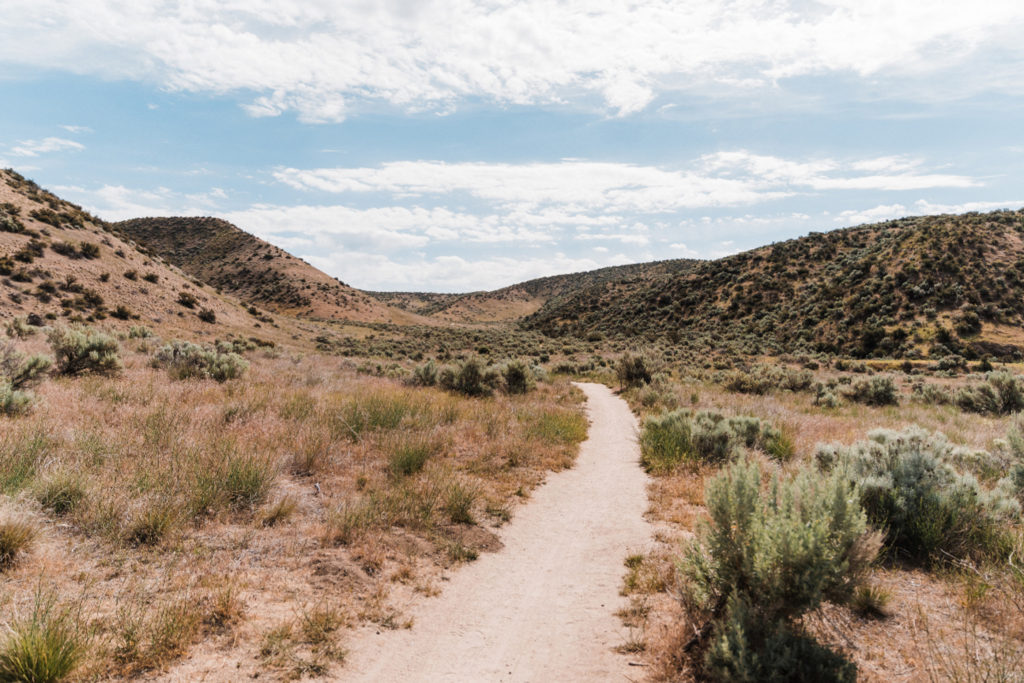
These apps and websites not only expose you to hiking routes but also help in accessing the difficulty level of the trails. By using these services, you are presented with multiple choices of difficulty level that you can pick or choose from.
Alternatively, if you have a nose for an adventure like I do, you can devise your own route. Please do not try this unless you have a very keen sense of navigation and a sharp nose to sniff your way around.
Step 2: Determine your limits
This is especially important not only for solo hikers but also in a group because we want to make sure everyone is adequately taken care of and comfortable.
With a group trip, you want to be certain of everyone’s health conditions and any other circumstances that may disrupt the fun of your adventure. Assess your fitness levels and for extra precaution, anyone with health challenges should consult the doctor before you all head out.
You can always safely stretch your limits when you’re alone, or with a very small group who share your passion for hiking.
Step 3: Inform non-participants of your hiking plans
You want to make sure that you’re not disappearing into the wilderness and leaving the rest of the world worried. Make sure to tell a few family members and friends of your hiking plans.
I even advise leaving a copy of your research and detailed itinerary with a few friends, just so that everyone knows exactly where you’re at and where to find you. You never know, they just might want to join in on the fun while you’re out there. The spirit of adventure can be contagious!
Step 4: Determine how long you plan to spend hiking
There is no standard time frame a person can spend hiking. The choice is up to you and your crew.
The whole point of hiking is to take a break from the stressful day-to-day activities. This implies that there is a schedule that needs to be gotten back to. This is why your hiking trip should have a definite time frame.
Calculating the time frame for a hike is so important that many experienced hikers boast of it to be the very first step. Picking a trail should be the first step, after which you can conveniently calculate the number of days you plan to spend, and the distance you can cover.
This is a key factor in making the rest of the decisions concerning your trip. It will determine how much food, luggage, and even the trails you eventually choose. Consider the schedules of everyone involved and choose a suitable time frame for your journey to and fro. Be sure to check the weather as well to be sure the trip duration makes sense for the time of year you’ll be going.

Step 5: Make a complete evaluation of the trail
As I have earlier stated, some apps can provide information about the trials. Read up and search the internet, especially after you have chosen a trail. There are lots of reviews from people who have to tread the same path you plan on.
You have to be properly informed before you head out. Check for reports of bears and other wild animal sightings if possible, and ensure to note the temperature changes and all that. Hiking, although a very cool activity is not something you dive into head-on.
Every trail has its requirement, confirm the guidelines that surround the one you are picking.
Step 6: Pack right for your hiking itinerary
A backpack is okay for short trips. Maybe if you are just hiking on a short trail, a day’s worth of fun. But if you plan on spending more than a day on the trail, then a larger rucksack fits the bill just right.
What are the contents of your pack? Are they necessary? The contents of your backpack or rucksack could be the difference between an amazing time and a not-so-great time. Don’t believe me? Ask anyone who has ever forgotten their water supplies at home!
You can pack what you want, but here are 3 things (or extensively 14 things) you must go hiking with:

The 10 essentials
As listed by the American Hiking Society, there are 10 essential things to pack when embarking on a hike. They are even more essential for trips lasting more than a day. These essentials will be discussed further down in this article.
It will be best to not bother embarking on such a trip if you are unable to get all ten essentials or their closest substitute.
Food and water
These two are very, very essential. Hiking burns up a lot of calories which need to be replenished for you to keep moving. Bring a lot of energy-packed foods along.
As for water, dehydration is not a state you should want to be found in while on a hike. It is a generic rule to bring as much water as you can when going on a hike.
Recommended foodstuffs to bring along while hiking are foods made with honey or protein-packed foods. Nuts and jerky are also great for such a trip.
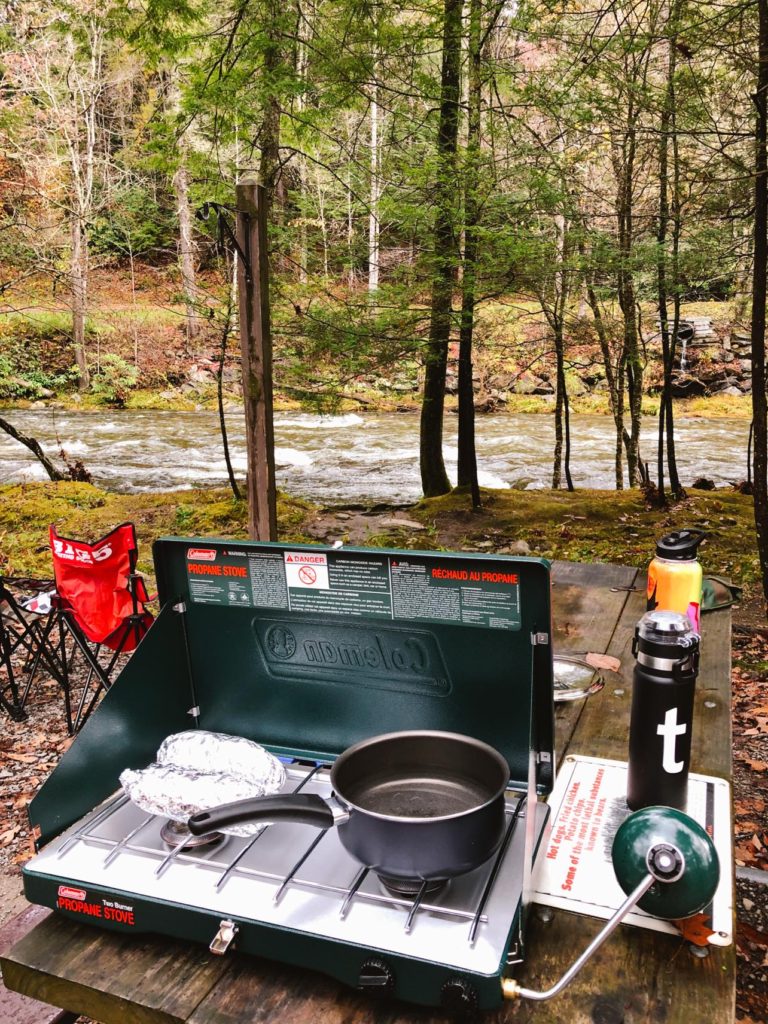
Overnight trips may require cooking supplies, although it is very optional.
Clothing items
You may be wondering why you would need to pack clothing items especially if it is just a short trip. Hiking is an outdoor activity. Anything can happen. Just ensure you are a step ahead of unforeseen circumstances like rain, mud, or intense sun exposure. Depending on the type of trail you are planning on following, the time of year and weather, you may want to pack:
- rain gear
- extra clothing for multi-day trips
- sun protection (hats, long sleeves/pants)
- winter layers (thermal underwear, women’s hiking leggings, etc.)
- extra socks
The type of clothing you should pack is determined by the type of trail you are planning on following, which is another reason why picking a route MUST be your first step.

Step 7: Hit the trails
It’s one thing to plan a hiking itinerary, but that’s as far as some people go. Now that you’ve made the plans, it’s time to actually go hiking! It’s an experience you will never forget.
Besides, if you’re traveling in a group, nothing builds or cements bonds quicker than spending quality uninterrupted time together.

How to save money on hiking itineraries
Before I fully dive into this, I just want to put it out there that embarking on a hike is a money-saving venture in itself. Yes! I said what I said. This is because you may need to pay for permits or parking, but aside from that, the only expenses are your own gear and food.
So, are you budget-conscious and just want to enjoy quality time with family or friends? If you are seeking a pause from the hustle and bustle of your everyday life and are on a tight budget, choosing to go on a hike is a pocket-friendly, bond-building, and great exercise.
Even at that, there are still great ways to have money while saving money.
1. Go hiking in your backyard
Of course, I don’t mean your literal backyard. I am just emphasizing that you pick somewhere close to home. Preferably within your city, or state, and taking it a step further – country.
This cuts the cost of transportation. Plus, there is no place like home.

Related read → How to plan a local trip and how you should absolutely be exploring your own backyard
2. Choose the shortest trail available
If you are just taking a break, not running away completely, a hike is most cost-effective when it doesn’t last more than a day.
On a day’s trail, you don’t need much food, you don’t need to buy cooking supplies, sleeping bags and other campsite materials, more clothes, and any other expense that comes with spending too much time in the great outdoors.
3. Make it a group hike
This part is for those of you who are still trying to decide if the hike is going to be a solo trip or group adventure.
Have you ever heard the saying that goes – “the more we are, the merrier we will be”? There’s a third phrase to that line – “the cheaper the trip shall be.”
More people means more factions to split expenses into. Every person comes with a contribution that just lessens individual costs when put together. Besides, it makes the trip much safer.

4. Budget ahead of time for your hiking trip
Failure to plan is planning to fail. When you don’t settle down to budget ahead of your trip, you are giving room for unplanned expenses to come in.
Related read → How to other ways to save on travel expenses
Hiking trip essentials
Essentials are essentials, there is no bargaining to that effect. When it comes to hiking, there are ten essential items according to American Hiking Society that you must have with you at all times. They are:
- appropriate footwear (these waterproof women’s boots come highly recommended)
- maps and compass
- food (like this mega pack of Clif bars)
- water (consider a water bladder for your backpack)
- rain gear and dry fast layers
- safety items (i.e. light, fire, and a whistle…here’s a combo tool)
- first aid kit
- knife or multi-tool
- sun protection (sunscreen, sunglasses, sun-protective clothes)
- shelter
The American Hiking Society also recommends you go along with a ziploc bag and a pair of disposable hand gloves.
Finally, don’t forget bear spray should the area you’re hiking in be at risk of bears. Every adult should have one of these on them at all times.
Tips for a successful hiking itinerary and trip
1. Be well informed
Information is power and also a lifesaver. Dig up as much research as you can before venturing into any hiking trail. Monitor the weather updates, risk calculations, accessibility, and nearest hospitals or rescue teams for emergency cases.
2. Be well prepared
During your evaluation of the trail, you will get information on the kinds of animals to encounter on such paths. Hence they need to be well prepared.
You may need bear spray (if it’s an area known for bear sightings), full-body outfits( for areas with poisonous plants), hiking boots with ankle support (for areas famous for snakes), etc.
Preparation also extends to ensuring you are packed with the right kinds of supplies.

3. Be security conscious
As a group, ensure to always stay together. Practice distress signals and be sure you know how to use your safety equipment.
For overnight trips or extended trips please sleep with one eye open. It’s the great outdoors, there is a deep sense of freedom, and some people may choose to abuse such an opportunity.
4. Be careful
There’s no fun in a hiking trip when someone ends up with a broken arm, or leg, or is bleeding from places you are pretty sure need immediate medical attention. Yes, things like this happen. But I can assure you that you will not find yourself in such a situation if you are careful.
If you are devising your own trail, use your eyes to mark landmarks and peculiar sightings. If you aren’t so great at retaining such knowledge, mark them with objects. It may be with a rope, arrow, large pin, or anything along that line.
5. Be ready for any emergency
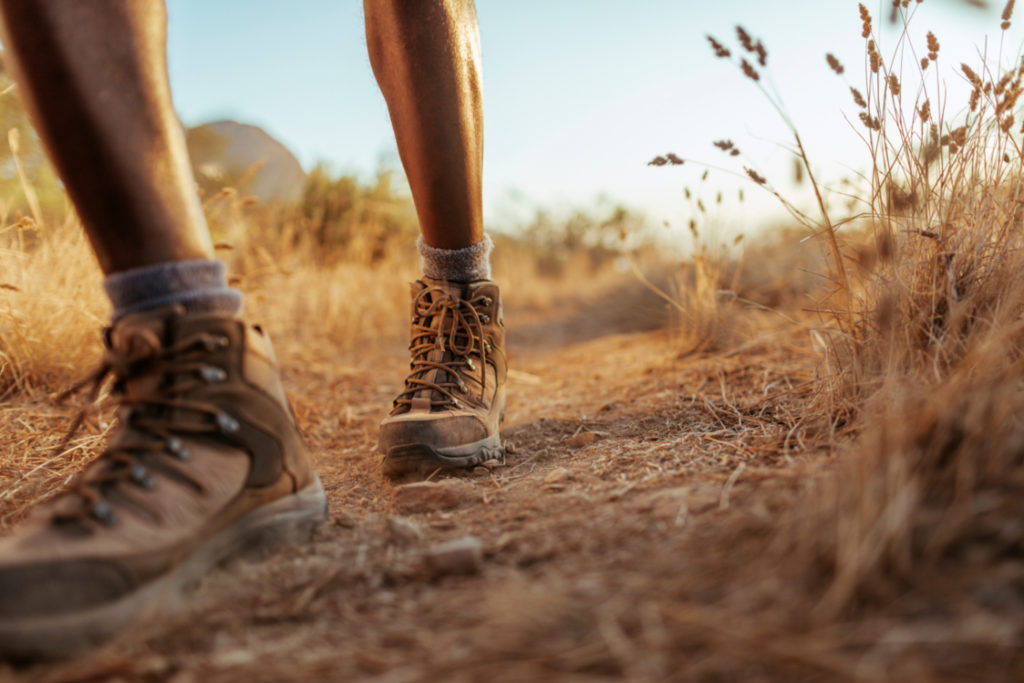
This tip can be categorized under ‘be prepared’ but based on how important it is, I might have to elaborate on the topic. Even small things like learning how to prevent and treat blisters could save your hiking trip.
Make sure to carry a first aid kit (and know how to use the supplies), and lay down a particular structure or protocol you can activate to get help in case of an emergency. This might require a whistle, satellite phone, or satellite-powered devices like Spot X and Garmin InReach.
Save to Pinterest


My Travel Essentials
- Travel Insurance – Going on an international trip? Don’t forget travel and medical insurance with SafetyWing.
- Travel Card – If you’re new to travel hacking, fear not! My favorite card for beginners gives you $750 in rewards when you spend $4,000 in the first 3 months, plus lounge access, 10x points on hotel bookings, and free TSA pre-check!
- Get Your Guide – Check out Get Your Guide for a one-stop-shop for booking travel activities.
- Booking.com – This is my favorite hotel search aggregator, specifically for reading reviews. On Booking.com, the reviews can be searched for keywords like WiFi, breakfast, pool, amenities, etc.! So helpful!
- Anti-pickpocket bag – Worried about having your valuables swiped? PacSafe makes the best travel bags with zippers and straps that lock and with mesh steel enforced fabric.
- Give the Gift of Travel – This is the perfect gift for travelers in your life! Tinggly allows you to gift experiences around the world, perfect for birthdays, weddings, or anniversaries.
- Staycation Idea – Check out Resort Pass, which gives you day passes to resorts so you can use their pool, spa, and fitness center, a great staycation idea!

Guest Author: Catalin
Catalin is a writer and outdoor specialist who has been traveling in over 35 countries so far. He loves spending time in nature, enjoying mountains and nature adventures, and ultimately inspiring people to travel more. In his time off, he is testing, analyzes, and reviews hiking and other outdoor gear and accessories. You can read more of his hiking guides at OutdoorAdept.com.
More travel planning resources:
- How to plan a last minute trip
- How to plan a local trip
- Easy trip planning guide
- Beginners guide to camping
Fantastic hiking destinations:
- Blue Ridge Parkway (VA and NC)
- Joshua Tree National Park (CA)
- Page, Arizona (Horseshoe Bend and Antelope Canyon)
- North Georgia (lots of waterfalls and the Bavarian mountain village, Helen)
- Southern Utah (Zion and Bryce Canyon National Parks)
- Chattanooga, TN (the perfect outdoorsy and city combo destination)


Thanks for sharing best information with us.